
How Tactics Ogre Builds Politics Into Terrain
Battle maps in Tactics Ogre double as political statements, with elevation and terrain type echoing the factions fighting over them.
Essays and breakdowns on world design, lore architecture, and the craft behind epic role playing sagas, written from Hurghada, Egypt.
Browse ArchiveFresh breakdowns on world-building choices across the RPG canon
How the fractured continents of Xenogears mirror its characters' psychological wounds, and why the map itself functions as narrative device.
Ivalice's predecessor built an entire fortress-city as a single interconnected dungeon. We trace how its architecture reinforces the story's claustrophobia.
Steampunk meets high fantasy in a world where technology and magic actively cancel each other out. We examine how that tension shapes every settlement.
Final Fantasy Tactics and Vagrant Story share a setting built from political history rather than quest markers. Here's how that history was layered in.
Vvardenfell's silt striders and ash storms create a world that resists convenience. We unpack how friction became a design philosophy.
108 recruitable characters demand a world with real political stakes. We trace how Highland and City-State tensions were built into every region.
Editorial focus, not release-day hype
We approach every saga through its geography, factions, and history first, treating world design as the primary lens rather than an afterthought.
Essays draw from developer interviews, design documents, and direct play sessions rather than recycled summaries found elsewhere online.
Written by people who've replayed these sagas for decades, not assigned pieces from writers unfamiliar with the genre's conventions.
We break down how quest design, region pacing, and lore delivery interact, giving readers a working vocabulary for discussing world-building.
Common questions about the site and how we cover role playing sagas
Yes. We review pitches focused on fantasy world design, faction politics, or narrative architecture in RPGs. Send a short outline before drafting a full piece.
New pieces go up roughly twice a week, with longer retrospectives appearing monthly. We prioritize depth over frequency, so timing can shift for larger projects.
No. While flagship sagas get coverage, we deliberately spend time on overlooked titles with strong world design, including lesser-known JRPGs and Western RPGs.
Absolutely. Reader requests shape a good portion of our schedule. Send suggestions through our contact channel and we'll add strong candidates to the pipeline.
Most are, since world design analysis often requires discussing late-game reveals. We flag spoiler-heavy sections at the top of each piece so readers can navigate accordingly.
A handful of pieces we're particularly proud of
Battle maps in Tactics Ogre double as political statements, with elevation and terrain type echoing the factions fighting over them.
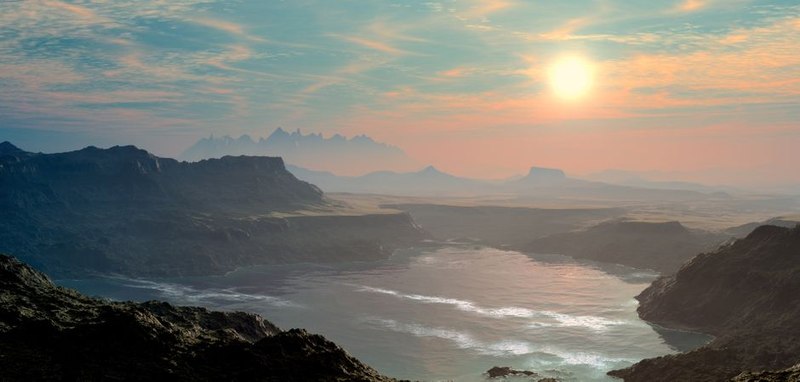
A practical framework for noticing how region layout, enemy placement, and environmental detail communicate narrative without dialogue.

Not every epic saga needs a sprawling map. We look at how Lunar built emotional stakes into a comparatively compact setting.

Three overlapping nations and one shared academy make Fodlan's world design inseparable from its branching narrative structure.
New essays on fantasy world design and epic sagas post weekly from our desk in Hurghada, Egypt.