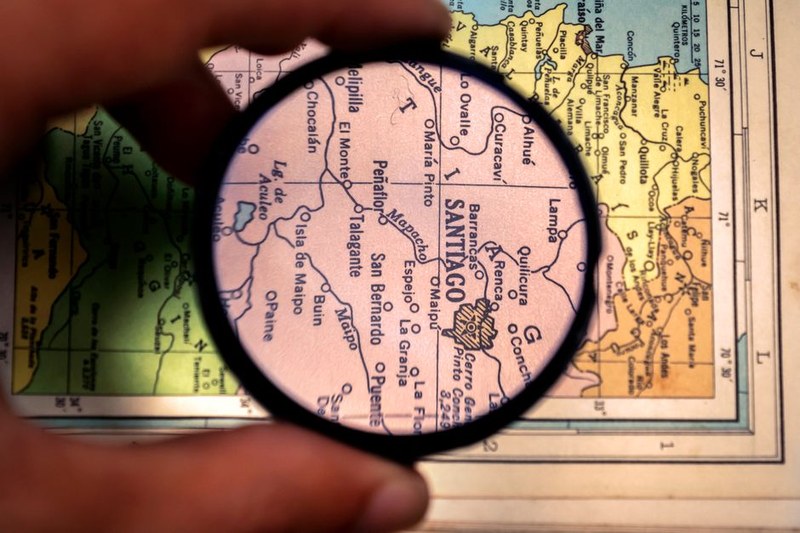
Why Fractured Kingdoms Feel More Alive
We look at how fragmented political maps in sprawling RPGs create tension between regions, forcing players to notice power vacuums before the plot spells them out.
From Hurghada, we break down how epic role playing sagas build believable worlds, one region, faction, and myth at a time.
Explore the RealmsRecent dives into world-building choices across beloved role playing sagas
We look at how fragmented political maps in sprawling RPGs create tension between regions, forcing players to notice power vacuums before the plot spells them out.
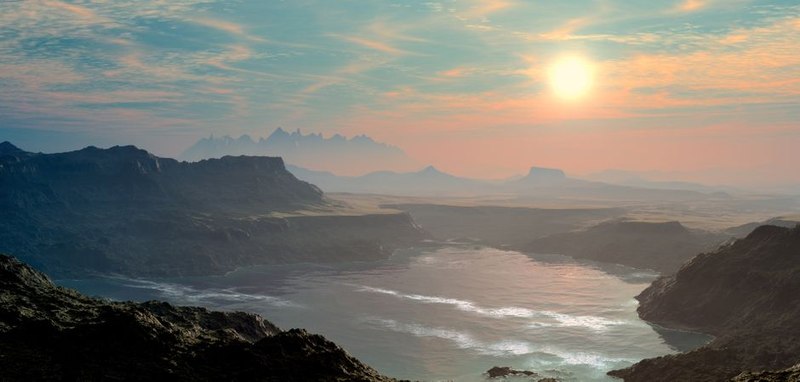
Environmental storytelling in ruined temples often carries more narrative weight than dialogue. We trace how architecture alone hints at civilizations long gone.

Border settlements in epic sagas reveal cultural blending through architecture and NPC dialects. We map out how these details signal deeper faction rivalries.
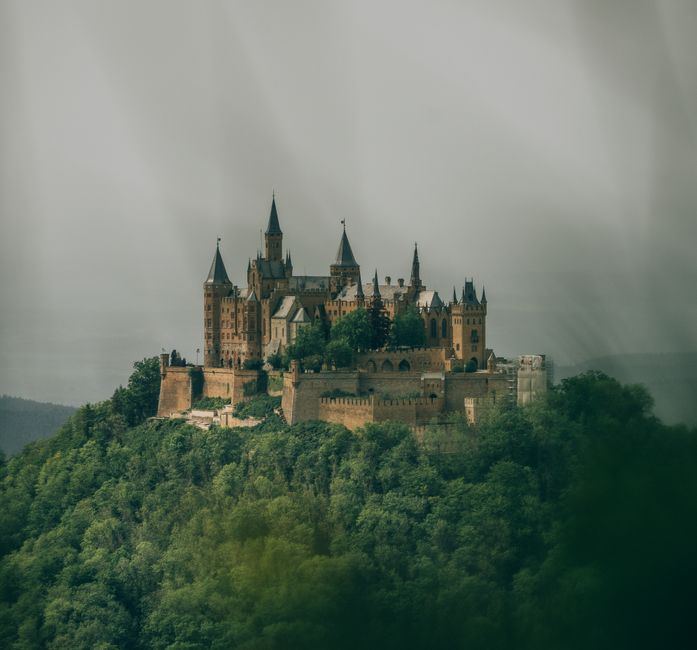
Desert, tundra, and marsh biomes aren't just scenery. We examine how terrain constraints often dictate a faction's economy, warfare style, and mythology.
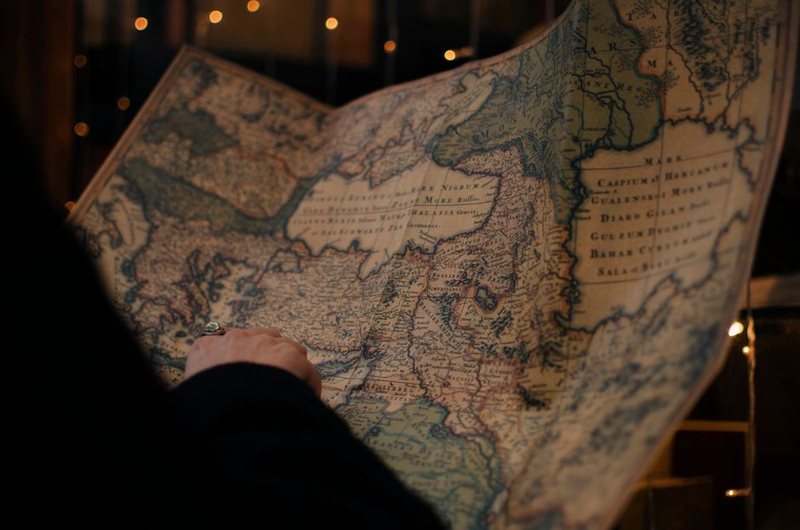
Long before modern open-world sagas, a handful of early RPGs experimented with scale. We revisit what those design risks got right and wrong.
I've replayed a lot of these sagas but never thought about why certain regions feel emptier on purpose. The piece on climate zones actually changed how I read maps in-game now.
Sent the border towns article to three friends in our Discord. We spent an entire night arguing about faction dialects after reading it. Good rabbit hole.
The ruins essay was the first thing I read that explained why some environmental storytelling hits harder than cutscenes. Bookmarked the whole archive after that one.
Found this site looking for something about faction economies and ended up reading four pieces back to back. The writing treats the games seriously without being dry about it.
I appreciate that they don't just recap plot. The breakdowns on terrain and settlement design gave me a new lens for games I'd already finished twice.
There's a real difference between reviews and this kind of design analysis. The piece on fractured kingdoms made me go back and notice map details I'd skipped for years.
A small editorial team focused on one thing: how fantasy worlds are constructed
We center every piece on how regions, factions, and terrain are constructed, not just plot recaps or character rankings.
We cover both landmark titles and overlooked entries in the genre, giving attention to sagas that rarely get deeper analysis.
Every article is written by people who play these sagas for fun first, keeping the tone grounded in genuine curiosity rather than promotion.
We cross-reference in-game sources, dialogue, and design patterns before publishing so our analysis holds up to scrutiny.
A rotating set of role playing worlds that shape our ongoing coverage
Its interconnected open world rewards close reading of terrain and ruin placement, making it a frequent subject in our design breakdowns.
The living-world scale, built across colossal creature bodies, gives us plenty to unpack about spatial storytelling and regional identity.
An underrated entry whose war-torn political map and rival kingdoms still hold up as a study in faction-driven world building.
Its reactive environments and layered lore make it a favorite when we examine how player choice reshapes regional narrative.
A survival-island setting that ties world design tightly to resource logic, offering a distinct angle compared to sprawling continent-based sagas.
Its day-night terrain hazards and monster ecology give us material for essays on how danger shapes a realm's geography.
Step into our ongoing coverage of fantasy realm design across classic and modern role playing sagas.
A few things people often ask about how we cover fantasy world design
Our main lens is world design — how terrain, factions, and settlements are constructed — though we reference story and lore whenever it directly shapes those design choices.
No. We mix widely known titles with lesser-discussed entries, since some of the most interesting design choices come from games that didn't get mainstream attention.
Our editorial base is in Hurghada, Egypt, though our writers follow and analyze role playing sagas from studios and regions worldwide.
We lean toward analysis rather than star-rating reviews, focusing on specific design elements like biome logic, faction structure, and regional storytelling.
Yes, reader suggestions often shape our upcoming pieces, especially for underrepresented or older titles worth revisiting through a design lens.